LF logo
by learnformula
search
Log in
search
Courses/Architecture/Heritage Conservation

Beyond Preservation: Adaptive Reuse for 21st Century Cities

Unlock the future of urban development by mastering adaptive reuse strategies. Transform existing structures into vibrant, sustainable spaces that meet 21st-century needs.

Created byDonald Schmitt
5.0
(1 reviews)
BeginnerUpdated Nov 21, 2025
Beyond Preservation: Adaptive Reuse for 21st Century Cities

What You'll Learn

check_circleExplore adaptive reuse for 21st-century urban centers.
check_circleAnalyze the Toronto Waterworks' historic transformation.
check_circleDefine multi-functional integration in urban design.
check_circleEvaluate heritage preservation with modern additions.
check_circleAssess community engagement strategies in development.
check_circleReview sustainable practices in adaptive reuse projects.

About This Course

Explore "Beyond Preservation: Adaptive Reuse for 21st Century Cities" and discover how existing structures can be revitalized to meet contemporary urban needs. This course, featuring insights from Donald Schmidt, an architect integral to Toronto’s award-winning Waterworks project, delves into the transformative power of adaptive reuse.

You’ll learn how a 1932 Art Deco public works facility was reimagined into a vibrant community hub, integrating residential living, a YMCA, a food hall, and social services. This project exemplifies how design innovation, strategic stakeholder coordination, and a deep respect for historical context can create dynamic, equitable, and sustainable urban spaces.

Key topics include:

  • Historical Context and Creative Challenges: Understanding the evolution and significance of existing sites.
  • Integrated Design and Programmatic Integration: Strategies for interweaving diverse uses (housing, retail, recreation, social services) within a single development.
  • Heritage Conservation: Approaches to retaining, restoring, and complementing historical architectural features.
  • Navigating Regulatory Frameworks: Strategies for effective engagement with heritage, parks, and other municipal departments.
  • Building Massing and Vertical Expansion: Innovative techniques for integrating new construction with existing structures.
  • Light and Air Access Preservation: Designing for optimal natural light and airflow in complex urban environments.
  • Structural and Systems Integration: Addressing the complexities of combining old and new infrastructure.
  • Urban Design and Public Realm: Creating porous, accessible, and community-centric public spaces that strengthen city fabric.
  • Project Outcomes and Lessons Learned: Evaluating the impact on neighborhood revitalization, community engagement, and long-term sustainability.

By the end of this course, you will be equipped with a comprehensive understanding of the principles and practices of successful adaptive reuse, empowering you to contribute to the creation of more resilient, equitable, and engaging 21st-century cities.
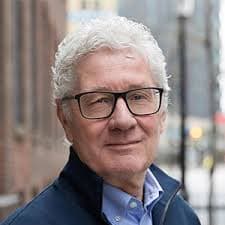
Your Instructor

Donald  Schmitt
Donald Schmitt

Principal of Diamond Schmitt Architects

menu_book1 courses
star1 reviews

Donald Schmitt is a well-known Canadian architect whose practice is built on the transformative power of design. As a principal of Diamond Schmitt Architects, he is committed to the design of architecture that transcends convention and enriches everyday life. He is passionate about functionality, innovation, elegance, and sustainability. Don is the Founding Chair of the Public Art Commission for the City of Toronto, for which he was awarded the Civic Medal and is currently a member of the University of Toronto Design Review Panel. He served on the Design Review Panel of the National Capital Commission for over a decade and for many years for Waterfront Toronto. His recent designs include the transformation of the National Arts Centre and the Senate of Canada Building in Ottawa; the Gilgan Centre for Research and Learning at Sick Children’s Hospital; Emily Carr University of Art + Design in Vancouver; Lazaridis Hall at Wilfrid Laurier University; and the compact mixed-use, transit-connected, pedestrian-oriented SmartCentres Place in Vaughan, at 20 million square feet, one of North America’s groundbreaking new urban neighbourhoods. Donald Schmitt is a Member of the Order of Canada.

Credit Information

What Students Are Saying

5.0
Student's Choice
1 reviews

Frequently Asked Questions

We are a registered provider with 327+ associations and regulatory bodies worldwide. We operate across 29 global markets including Canada, the US, Australia, and the UK. Every course page clearly displays its specific accreditations. Upon completion, you receive a professional certificate that can be validated online. Our certificates include all necessary accreditation details, credit hours, and completion dates, and are formatted specifically to meet the submission requirements of most global regulatory bodies.