Master architectural strategies that transform residential buildings into thriving communities by creating shared spaces that naturally encourage meaningful interaction and belonging.
Loneliness and social isolation are among the most pressing public health challenges of our time — and the buildings we live in have more to do with it than most people realize. In this session, Madeleine Hebert of Happy Cities shares an overview of the Housing That Connects Us research and toolkit: evidence-based strategies for nurturing social wellbeing in multi-unit housing, drawn from years of collaborative work with municipalities, housing providers, and residents across Canada. You'll come away with a grounded understanding of what the research tells us about sociable housing design, practical tools you can apply in your own policy and development work, and a clearer sense of how local governments are translating this evidence into action — through post-occupancy studies, design guidelines, and regulatory policy.
Key Topics Discussed:
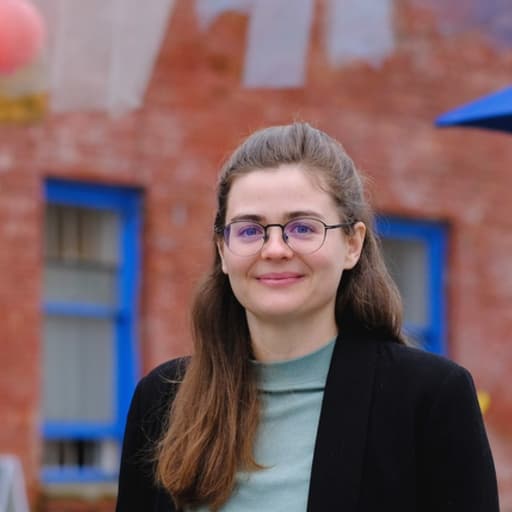
Senior Housing Specialist | Happy Cities
Madeleine leads housing, community planning, and research projects at Happy Cities, working with professionals and communities to develop solutions to improve social connectedness, resilience, and wellbeing. Madeleine’s work promotes collaborative approaches and ensures that spaces provide equitable opportunities for everyone. She studies how buildings influence people’s lives after they move in, seeking to understand how big and small design decisions impact people’s wellbeing in various housing types. She enjoys meeting with clients and communities, analyzing requirements and context, and presenting creative solutions that bring their vision to life. Madeleine believes that collaboration and facilitating conversations is a critical part of the architectural profession. Her educational background includes a multidisciplinary Environmental Design degree from the University of British Columbia and a Master of Architecture from Carleton University. She is registered as an Intern Architect AIBC, and previously designed educational facilities and housing projects across the province of B.C.
