Master proven frameworks to build authentic partnerships, integrate cultural respect, and drive mutually beneficial outcomes across the lifecycle of your infrastructure projects.
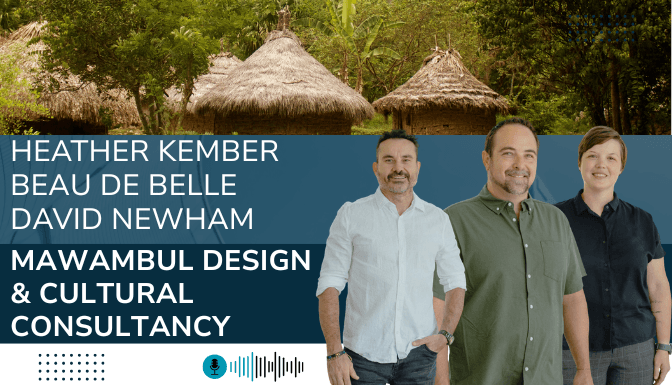
Architectural practice in Australia is increasingly recognising the importance of engaging meaningfully with Indigenous knowledge systems, cultural protocols, and Country-led approaches to design. For architects, this work extends far beyond symbolic gestures or compliance requirements. It requires genuine engagement processes, culturally informed decision-making, and a practical understanding of how Indigenous perspectives shape project outcomes across planning, design, procurement, and delivery.
This webinar explores how architects can work more effectively and responsibly with Indigenous communities and knowledge holders within contemporary Australian practice. It focuses on practical engagement strategies, cultural governance considerations, and the integration of Indigenous-led perspectives into real project environments, helping practitioners strengthen relationships, reduce project risk, and support more meaningful outcomes for Country and community.
Key Topics Discussed:
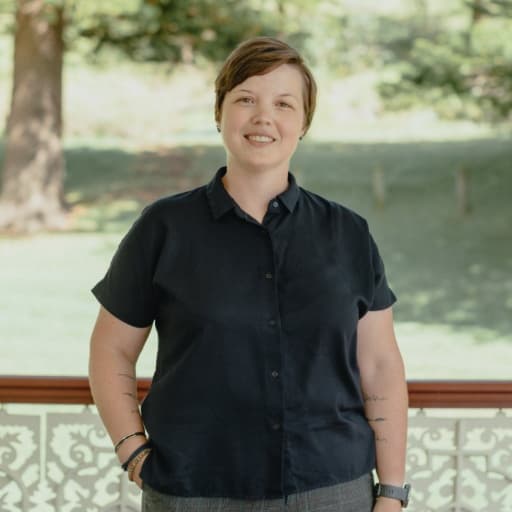
Chief Operating Officer, Mawambul Design & Cultural Consultancy
Heather is an accomplished researcher, strategist, and engagement specialist with over 15 years of experience spanning the worlds of academia, policy development, strategic planning and infrastructure delivery. With a PhD in Cognitive Psychology from the University of Sydney, Heather has a keen interest in what motivates people—how they think, behave, and engage with the world around them. As a Director at Mawambul, she blends research and real-world applications to ensure that complex challenges are met with strategic and innovative solutions that contribute to a more resilient and responsible future. Heather’s career has spanned roles in both Australia and the USA, where she has led research, engagement, and planning projects. This makes her adept at tailoring her approach to meet the unique needs of each client and community. Deeply committed to fostering a culturally responsive workplace, Heather actively supports teams in building cultural capability while working to reduce the cultural load for Indigenous colleagues and stakeholders. Through her work, she strives to create inclusive spaces that empower individuals and communities to thrive. Originally from Hong Kong, Heather completed high school in Tasmania and now calls Newcastle home. This nomadic upbringing has shaped Heather to be resilient and resourceful with a love of connecting with people from all walks of life. An avid musician and linguist, Heather enjoys road trips with her rescue pup, Brodie.

Director | Mawambul Design & Cultural Consultancy
Beau de Belle is a proud Gamilaraay/Gomeroi man born in Tamworth on Kamilaroi Country, and a designer, researcher and educator whose practice is grounded in Country, community and Indigenous ways of knowing. As a co-director of Mawambul, Beau contributes to design, advisory and cultural research work that supports Indigenous-led, place-responsive and ethically grounded outcomes across the built environment. Beau’s doctoral research, Message Stick Protocols, examines the role architects can play in fostering community-led architecture, with a strong emphasis on meaningful engagement and adherence to cultural protocols. This research foregrounds culturally informed approaches to sustainable development that are respectful of Aboriginal community needs and values. Beau’s practice engages across architecture, landscape and urban contexts, focusing on embedding Indigenous sovereignty, cultural authority and custodianship within design processes and decision-making. This work supports projects to move beyond consultation toward enduring, Indigenous-led approaches accountable to Country. Alongside professional practice, Beau is a Senior Lecturer in Indigenising the Curriculum at the University of Sydney, where teaching and research focus on Indigenous knowledge systems, pedagogy and design governance. This academic work informs Beau’s practice through critical engagement with education, institutional change and Indigenous leadership in design. Beau also holds sector leadership and advisory roles, including membership on the Australian Institute of Architects First Nations Advisory Panel and the NSW State Design Review Panel, providing advice on design quality, cultural integrity and Indigenous outcomes across policy, projects and governance frameworks. Across all work, Beau is committed to advancing Indigenous self-determination in the built environment and supporting practices accountable to Indigenous communities and Country.

CEO | Mawambul Design & Cultural Consultancy
David is a proud Aboriginal man Traditionally connected to the Wiradjuri and Ngemba/Wongaibon groups of central and north-west NSW through the Glass/Williams families. Born in Waratah (NSW), he has lived all his life in Newcastle. A respected and sought after Aboriginal cultural educator, David brings over 25 years’ experience in Aboriginal community engagement, the public and not-for-profit sectors, and a specialty in Aboriginal culture, education and training. He holds extensive networks across Newcastle, the Hunter Region and NSW. David brings a poignant Indigenous lens to all his work, informed by Traditional Aboriginal philosophy and culturally responsive practice. David’s research expertise is in cultural and social contexts, Traditional Aboriginal philosophy, and cultural practice under Traditional Aboriginal Lore. His connections to many Aboriginal communities balanced with embedded, country-based knowledge systems, are invaluable to projects and the research paradigm. David’s Master of Philosophy thesis developed a Traditional Aboriginal pedagogy based on Ancient Aboriginal epistemology and philosophy. This work, combined with key theoretical research, is being used to create a series of action-based research projects. Central to these projects is Indigenous-based and approved research methodologies co-designed in collaboration with other prominent ‘Indigenous’ academics and Elders. David has extended this work as a PhD candidate, taking a deeper exploration into the relationship between Traditional Aboriginal philosophy and Indigenising curriculum approaches across Australia in higher education.
