Navigate complex contracts, minimize professional liability, and safeguard your architectural practice from costly legal disputes with proven risk management strategies.
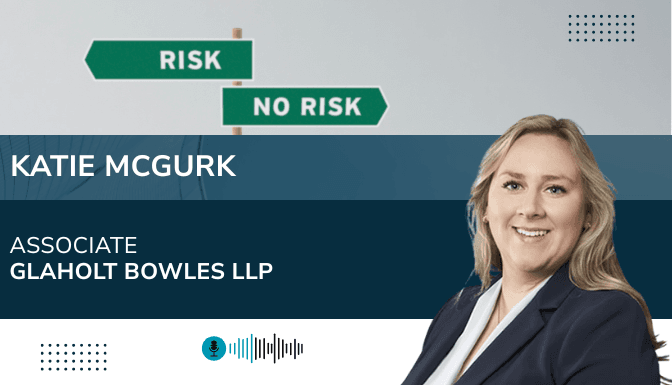
Architectural practice carries legal responsibility at every stage of a project, from early advice and scope definition to design development, design coordination, contract administration, site review and project close-out. Many disputes arise not because an architect has ignored their obligations, but because roles, responsibilities, risk allocation or scope were never clearly defined. In a construction environment shaped by tight budgets, short timelines, evolving delivery models and complex consultant teams, architects need a practical understanding of how legal risk attaches to everyday decisions.
This course examines the legal risks that commonly affect architects and architectural practices in Canada and focuses on how liability can arise through contractual terms, scope creep, coordination issues, and certification decisions. Client-prepared contracts may include clauses that increase architect liability and may not be covered by professional liability insurance, including warranties, guarantees, broad indemnities and responsibility for others’ work. Participants will explore how architects can better protect themselves during the contracting phase and beyond. The session considers practical approaches to contract review, record-keeping, client communication, limitations of liability, and insurance alignment.
Key Topics Discussed:

Associate | Glaholt Bowles LLP
Since her call to the bar in 2021, Katie McGurk has represented plaintiffs and defendants in various types of civil litigation matters including construction disputes, shareholder disputes, employment matters and property claims. Katie joined Glaholt Bowles LLP in 2023 after practicing at a full service law firm in Hamilton. Katie's practice is now focused exclusively on construction litigation. She has experience representing clients on a variety of infrastructure and commercial projects. She regularly acts for owners, contractors, design professionals and insurers in claims for breach of contract, negligence, delay, liens, breach of trust, and construction deficiencies.
